What is BMI?
Body Mass Index, or BMI, is a simple calculation that uses a person’s weight and height to determine their body fat using BMI Calculator. This measurement is frequently used by health professionals to categorize individuals into groups such as underweight, normal weight, overweight, or obese. While BMI is not a direct measurement of body fat, it provides a useful estimate and helps identify potential health risks associated with weight.
BMI is not a perfect measure, as it doesn’t account for factors like muscle mass, age, gender, or ethnicity. However, it remains a valuable, accessible tool for assessing general body weight categories and identifying obesity risk. Would you like to check your BMI? Use the below calculator to check your BMI Score
How we Calculated and Categorized BMI?
Body Mass Index(BMI) Formula for calculation
The BMI (Body Mass Index) in (kg/m2) is equal to the mass in kilograms (kg) divided by the square height in meters (m):
The BMI (Body Mass Index) in (kg/m2) is equal to the mass in pounds (lbs) divided by the square height in inches (in) times 703:

How BMI is Categorized?
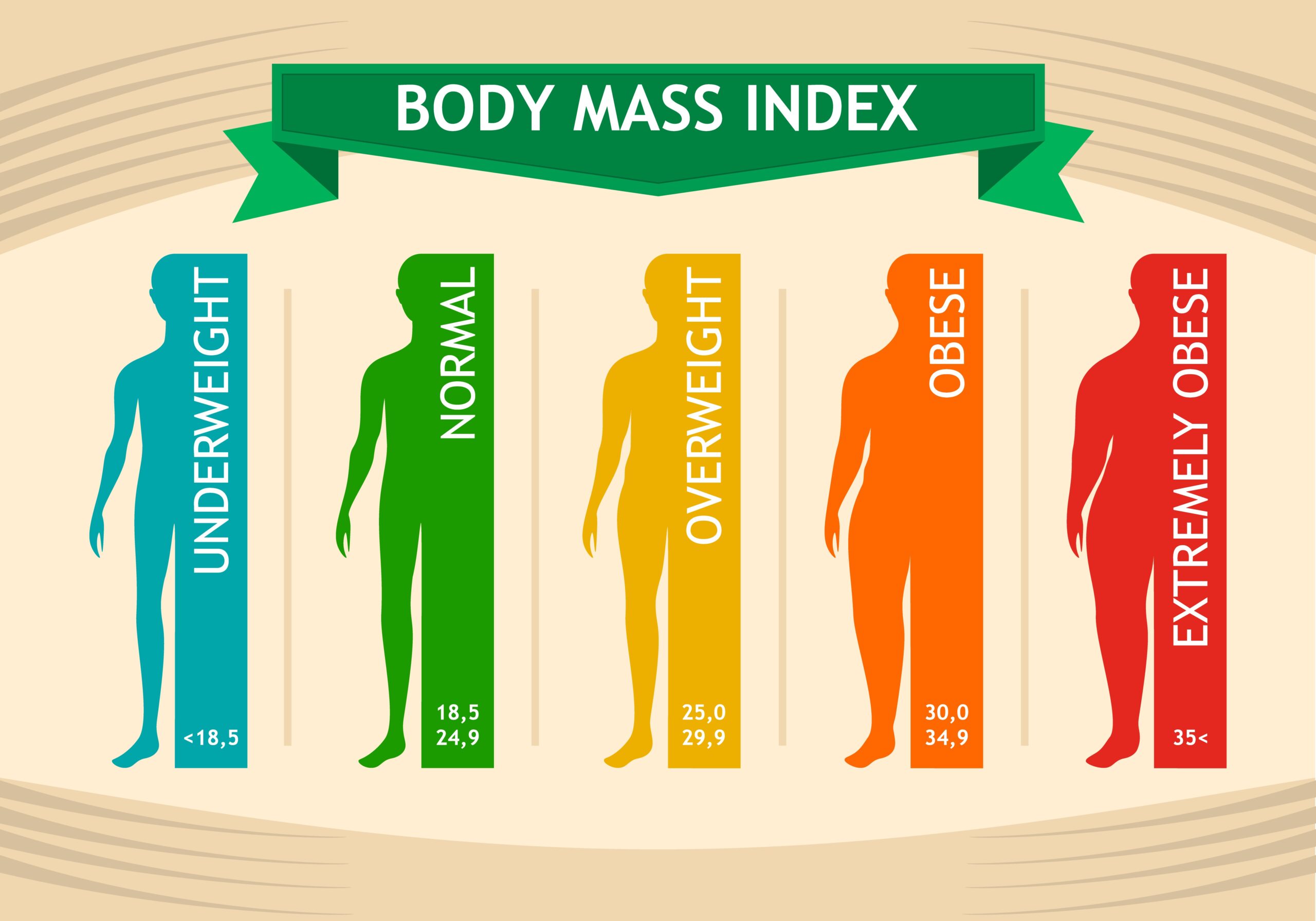
BMI categories table for adults (age ≥ 20)
| BMI Category | BMI Range (kg/m2) | Health risk |
| Underweight | 18.4 and below | Malnutrition risk |
| Normal weight | 18.5 - 24.9 | Low Risk |
| Overweight | 25 - 29.9 | Enhanced Risk |
| Moderately obese | 30 - 34.9 | Medium risk |
| Severely obese | 35 - 39.9 | High risk |
| Very severely obese | 40 and above | Very high risk |
BMI categories table for adults (age < 20)
| BMI Category | BMI Percentile (kg/m2) | Health risk |
| Underweight | Less than 5th percentile | Malnutrition risk |
| Normal weight | 5th percentile to less than 85th percentile | Low risk |
| Overweight | 85th percentile to less than 95th percentile | Enchanced risk |
| Obese | 95th percentile and greater | High risk |
The Health Risks of Obesity
Obesity, classified as having a BMI of 30 or higher, poses serious health risks. Here’s a closer look at the potential complications:
- Cardiovascular Diseases
- Obesity is a significant risk factor for heart diseases, including hypertension, coronary artery disease, and stroke.
- Excessive body fat can lead to plaque buildup in arteries, raising blood pressure and straining the heart.
- Type 2 Diabetes
- High body fat can lead to insulin resistance, causing blood sugar levels to rise.
- This condition significantly increases the likelihood of developing type 2 diabetes, which comes with its own complications, such as nerve damage, kidney issues, and vision problems.
- Joint and Mobility Issues
- Excess weight puts additional pressure on joints, especially knees and hips, leading to arthritis and mobility restrictions.
- Obesity-related joint damage is often irreversible and affects daily activities and quality of life.
- Respiratory Issues
- Excess weight can limit lung capacity, leading to breathing difficulties and increased risk of conditions like sleep apnea.
- Sleep apnea is particularly common in obese individuals and is linked to poor sleep quality and cardiovascular risks.
- Mental Health Impact
- Obesity is often associated with depression, low self-esteem, and anxiety, as individuals may feel stigmatized or self-conscious about their body weight.
- Mental health support is crucial for those struggling with obesity to help foster a positive self-image and encourage lifestyle changes.
Preventive Measures to Control Obesity
Preventing and controlling obesity involves a combination of healthy lifestyle changes and regular health monitoring. Here are actionable steps to help you maintain a healthy BMI:
- Adopt a Balanced Diet
- Eat Whole Foods: Emphasize whole foods such as vegetables, fruits, whole grains, and lean proteins. These foods are nutrient-dense and help with weight management.
- Limit Processed Foods: Processed foods are often high in sugar, unhealthy fats, and calories. Avoiding these foods can help manage weight more effectively.
- Portion Control: Overeating, even with healthy foods, can lead to weight gain. Use smaller plates, measure portion sizes, and avoid going back for seconds.
- Stay Physically Active
- Regular Exercise: Aim for at least 150 minutes of moderate exercise per week (e.g., brisk walking, cycling, swimming) or 75 minutes of vigorous activity (e.g., running, HIIT).
- Strength Training: Engage in resistance training exercises twice a week to build muscle mass, which helps increase metabolism.
- Incorporate Movement Daily: Simple changes like taking stairs, walking more, or doing household chores can contribute to overall calorie burn.
- Monitor Your BMI and Health Markers
- Track BMI Regularly: Use a BMI calculator every few months to monitor any significant changes in your weight.
- Check Other Health Indicators: Besides BMI, consider tracking blood pressure, cholesterol, and blood sugar levels. These markers provide a more comprehensive view of your health.
- Seek Professional Guidance: If you’re struggling to manage your weight, consider consulting a dietitian or a healthcare provider. They can help tailor a weight loss plan that fits your specific needs and goals.
- Manage Stress and Sleep Well
- Prioritize Quality Sleep: Lack of sleep can disrupt hormonal balance, leading to weight gain. Adults should aim for 7-9 hours of sleep per night.
- Stress Management: Chronic stress can increase cortisol levels, which may lead to cravings and overeating. Incorporate stress-relieving activities such as meditation, yoga, or hobbies that relax you.
- Set Realistic, Achievable Goals
- Make Small, Gradual Changes: Set realistic weight loss or maintenance goals that are sustainable. Avoid fad diets and instead focus on creating a balanced, enjoyable lifestyle.
- Celebrate Progress, Not Perfection: Focus on the positive changes you’re making rather than just the numbers on the scale.
The Role of BMI in Overall Health Assessment
While BMI is a useful starting point, remember that it’s just one part of a more extensive health assessment. For a more comprehensive understanding of body composition, consider additional measurements such as waist circumference, body fat percentage, and muscle mass.
Health professionals may use BMI in conjunction with these measures to provide more individualized guidance, especially since factors like age, muscle mass, and genetics can influence BMI. However, for most people, a healthy BMI serves as a helpful target in maintaining overall well-being.
Conclusion:
Take Charge of Your Health with a Healthy BMI
Maintaining a healthy BMI through a balanced diet, regular physical activity, and mindful lifestyle habits can significantly reduce the risk of obesity-related health issues. Calculating and monitoring your BMI offers an excellent starting point for setting personal health goals, but always consider your unique body and lifestyle.
By taking proactive steps towards a healthy BMI, you are investing in a future with fewer health complications, increased energy, and an improved quality of life.